For Bhutan’s Technical and Vocational Education and Training (TVET) sector, quality is not simply about meeting standards or fulfilling accreditation requirements. It is about shaping skilled, confident and creative individuals who can contribute to the nation’s development, adapt to a changing world and create opportunities for themselves and others.
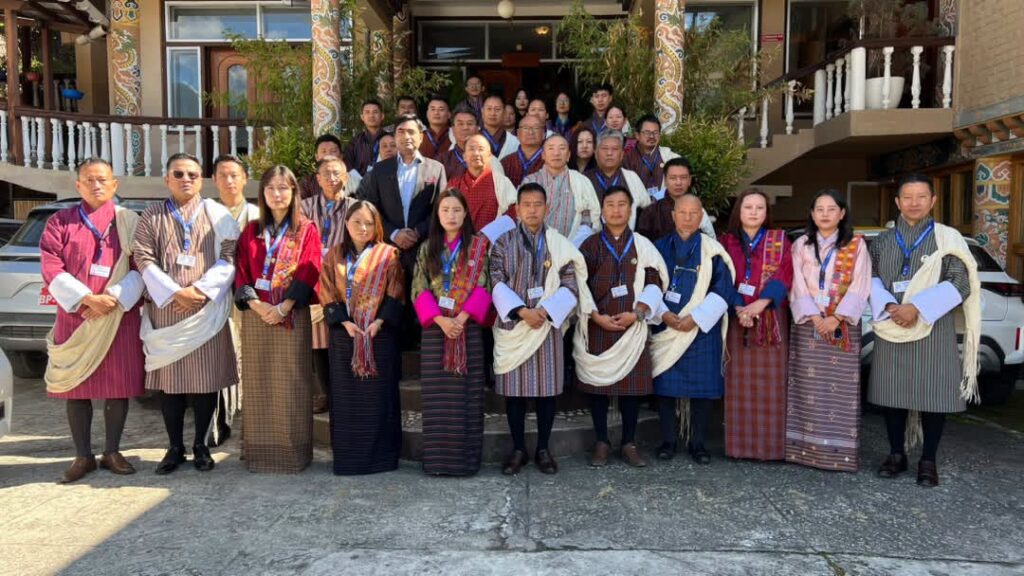
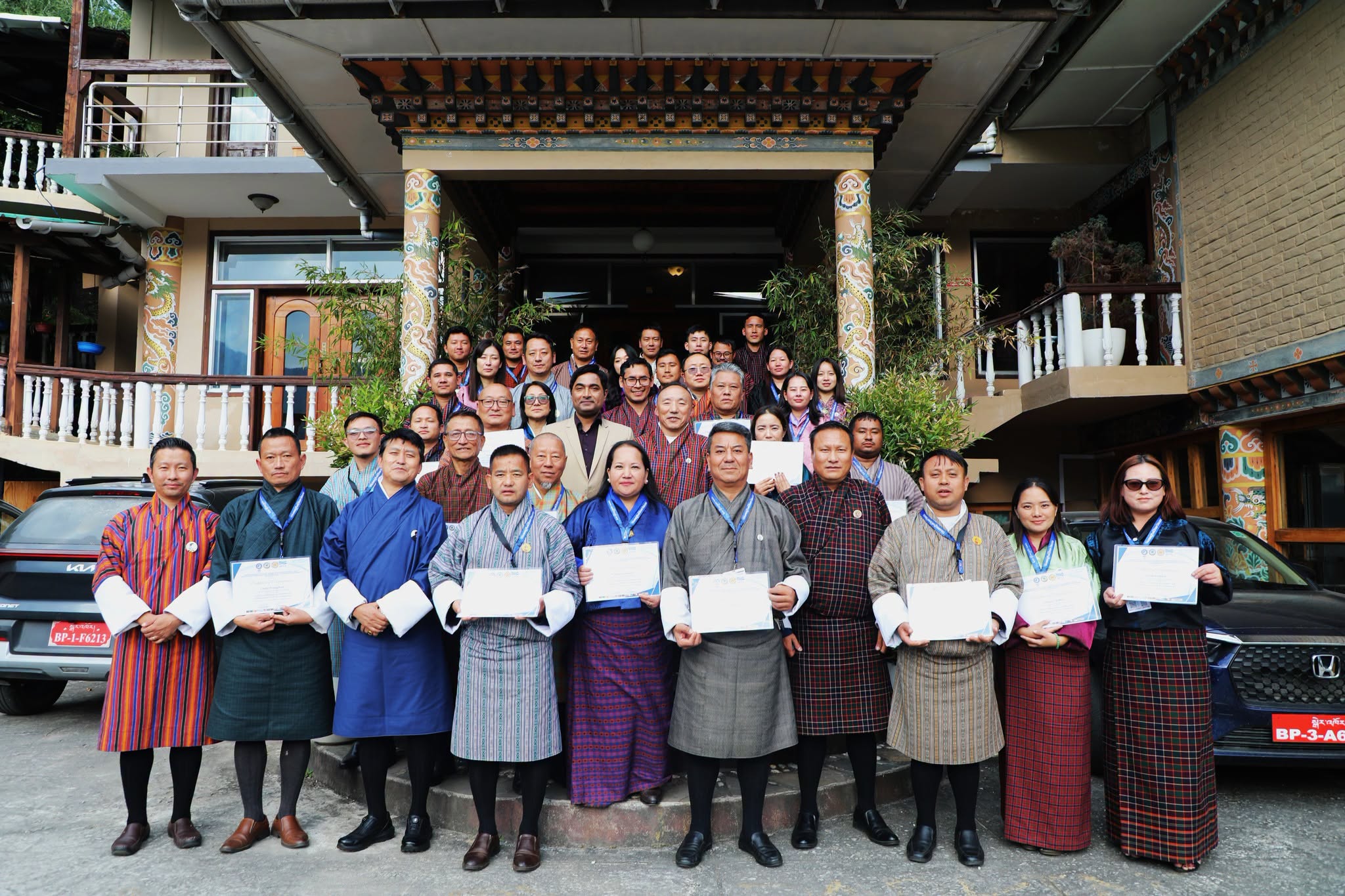
Reflecting this vision, the five-day in-country program on APACC Institutional Accreditation and Certification in TVET: 2025 Framework brought together 34 participants from various TVET institutions, including private TVET institutions, in Thimphu from October 12–16.
Organised by the Department of Workforce Planning and Skills Development, Bhutan (DWPSD) in collaboration with the Colombo Plan Staff College in Manila, Philippines, the program strengthened participants’ understanding of the APACC Accreditation Framework 2025 and its role in advancing institutional quality assurance, evidence-based management and continuous improvement.
The revised framework marks a shift from conventional, compliance-based accreditation towards a more comprehensive approach to institutional transformation. As technology, digitalisation and industry demands continue to evolve, TVET institutions are expected to go beyond imparting technical skills to prepare graduates who are innovative, adaptable and equipped for future opportunities.
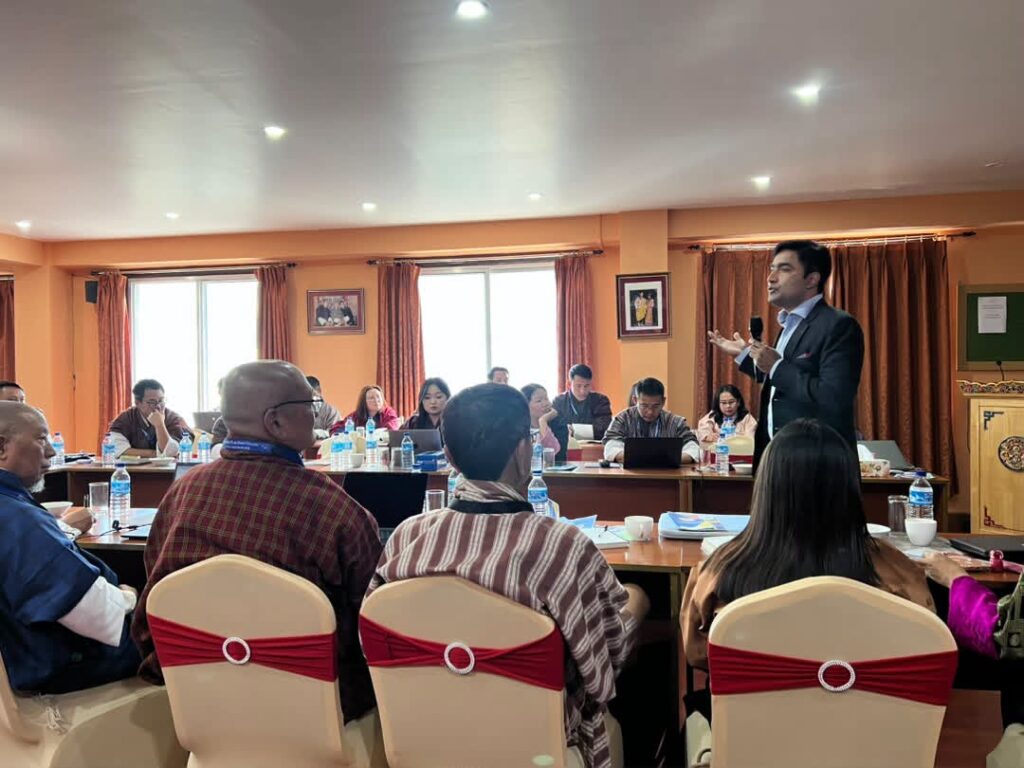
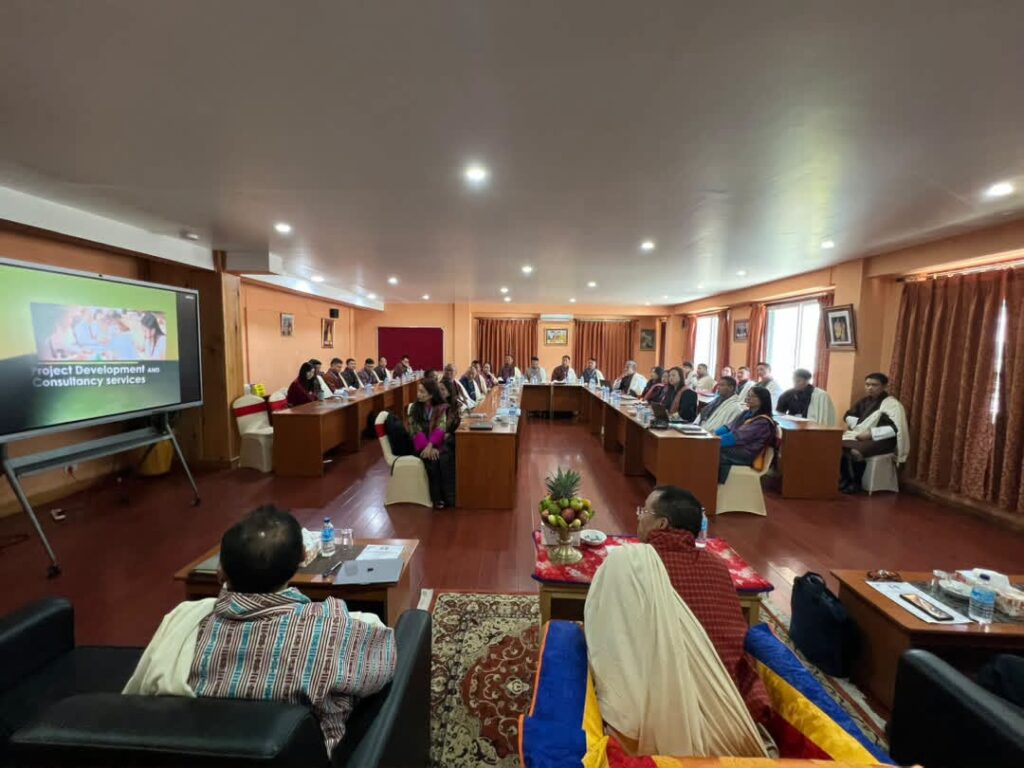
Through practical sessions, institutional self-assessments, gap analysis, evidence mapping and quality improvement planning, participants explored how accreditation can become a meaningful process of reflection, learning and change within their institutions.
At the closing ceremony, the Director General of DWPSD emphasised the need to broaden the purpose of technical and vocational education beyond preparing graduates for existing jobs.
“One important takeaway is that we must broaden our ambitions from preparing graduates for jobs to enabling them to create jobs,” he said.
He highlighted that accreditation should begin with a clear vision of what graduates should be able to do, with curricula, workshops and assessments designed to achieve that vision. He encouraged participants to use the APACC Accreditation Framework as a guiding tool to strengthen the performance and quality of their institutions.
For Jamuna Maya Mongar of TTI-Thimphu, the program served as a valuable learning experience that deepened her understanding of institutional accreditation, quality assurance, effective governance and continuous improvement.
Through the sessions and practical activities, she gained insights into the seven APACC accreditation criteria, institutional self-assessment, gap analysis, evidence mapping and quality improvement planning.
“One of my key takeaways is that accreditation is not merely about fulfilling requirements or preparing documents; it is about building a sustainable culture of excellence,” she said.
Jigme Wangyel of Choki Traditional Art School shared a similar perspective. “One of the most important lessons I’ve learned is that accreditation is not merely about compliance. It is about continuous improvement and transforming our institutions for the future,” he said.
For him, this understanding carries particular significance as his institution works to preserve Bhutan’s traditional arts and crafts while preparing learners for changing opportunities and challenges. He emphasised that passing on traditional skills must go hand in hand with nurturing creativity, innovation, entrepreneurship and adaptability.
As Bhutan continues to strengthen its TVET system, the APACC Accreditation Framework 2025 offers institutions a pathway to turn quality assurance into meaningful action. This effort will be reflected not only in stronger institutions but also in graduates who can apply their skills, create opportunities, and contribute meaningfully to society.